
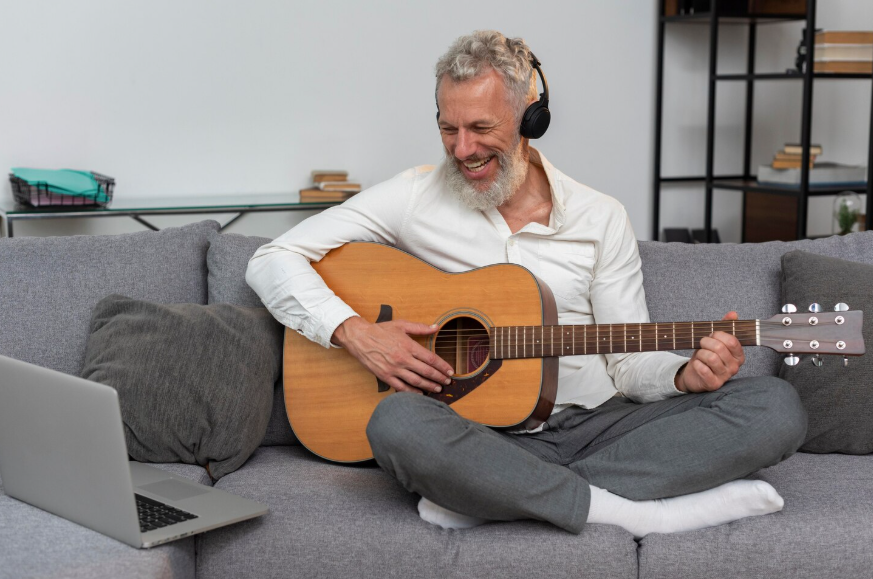
Hidden talents later in life frequently emerge not because they suddenly appear, but because people finally create the conditions that allow those abilities to surface.
Many people assume talents reveal themselves early. Society often celebrates childhood prodigies, young athletes, gifted musicians, and early career success stories, creating the impression that important abilities must appear at a young age. In reality, countless people discover meaningful talents much later in life.
Some people uncover creative abilities in their forties or fifties. Others discover leadership, teaching, writing, artistic, or entrepreneurial skills after retirement.
Many Talents Stay Hidden Behind Routine
One reason talents remain undiscovered is that everyday life becomes highly structured around responsibilities and routine. Work, family obligations, financial pressure, and predictable schedules often leave little room for experimentation.
Over time, many people stop trying unfamiliar activities because they assume they already know what they are good at. This mindset can quietly limit personal growth for years.
In reality, untapped abilities often remain dormant simply because a person has never explored the right environment, hobby, or challenge. Someone may have strong storytelling instincts but never attempt writing. Another person may possess teaching ability without ever mentoring others.
Potential often hides behind a lack of exposure rather than a lack of ability.
See Signs You’re Stuck in a Routine and How to Break Out of It for related routine shifts.
Adulthood Often Brings Better Self-Awareness
Interestingly, many people are actually better positioned to discover talents later in life because adulthood brings greater self-awareness and emotional maturity.
Children and teenagers often pursue activities based on outside expectations, school structures, peer pressure, or limited access to opportunities. Adults may eventually feel freer to explore interests based on genuine curiosity instead.
Life experience also strengthens many abilities. Communication, empathy, patience, observation, and problem-solving often improve with age and can become foundations for later-discovered talents.
For example, someone with decades of life experience may become a compelling writer, coach, speaker, or artist because they now possess emotional depth and perspective they lacked earlier in life.
Hobbies Frequently Reveal Hidden Strengths
Many hidden talents later in life emerge through hobbies rather than formal careers. A person experimenting with photography may discover strong visual instincts. Gardening may reveal patience and design ability. Volunteering might uncover leadership or organizational strengths.
Hobbies create low-pressure environments where experimentation feels safer. Without fear of professional judgment, people are often more willing to try unfamiliar activities.
This matters because beginner experiences are where many talents first surface. The willingness to explore imperfectly is often more important than natural confidence.
Some of the most meaningful abilities people discover later in life begin as casual curiosities rather than carefully planned goals.
Read How to Find a Hobby You’ll Actually Stick With for personal discovery ideas.
Creativity Often Expands With Age
Contrary to popular belief, creativity does not disappear automatically with age. In many cases, it actually deepens.
Older adults often combine broader life experience with a stronger perspective and emotional understanding. This can lead to more thoughtful, creative work, stronger communication, and better problem-solving.
Many successful writers, painters, inventors, and entrepreneurs produced important work later in life. Some people only discovered creative interests after major life changes, retirement, or shifts in priorities.
The idea that talent belongs primarily to youth overlooks how much growth can continue throughout adulthood.
Fear and Identity Can Delay Discovery
One major obstacle to discovering hidden talents is identity. Many adults become attached to familiar roles and assumptions about themselves.
Someone may think:
- “I’m not creative.”
- “I’m too old to start.”
- “That’s not the kind of person I am.”
These beliefs often become self-reinforcing because people stop experimenting entirely. Over time, a lack of exploration is mistaken for a lack of ability.
Modern life can intensify this problem by encouraging predictable habits and familiar choices. Search behavior increasingly reflects a preference for simplicity, certainty, and low-friction decision-making when people feel mentally overloaded. While understandable, excessive routine can reduce opportunities for discovery.
Many hidden talents stay hidden simply because people stop permitting themselves to explore.
Explore Why Some People Seem Naturally Creative for a broader creativity angle.
Small Experiments Create Discovery
Discovering new abilities rarely requires dramatic reinvention. Small experiments are often enough to uncover interests and strengths that previously went unnoticed.
Trying a class, joining a community group, volunteering, learning a creative skill, or dedicating a few minutes daily to a curiosity can gradually reveal unexpected abilities.
The important factor is openness rather than certainty. People do not need to know in advance whether they will excel at something to benefit from exploring it.
Hidden talents usually reveal themselves through action, not speculation.
Check Creative Skills You Can Learn Without Formal Classes for approachable ways to start.
Growth Does Not Have an Expiration Date
Life experience, curiosity, and willingness to experiment continue to matter at every age. People are capable of learning, growing, and surprising themselves far longer than society sometimes suggests.
The discovery of hidden talents later in life is often less about suddenly becoming someone new and more about finally allowing overlooked parts of yourself to emerge.
Growth does not belong only to the young. In many cases, it belongs to the people who remain curious enough to keep exploring.