
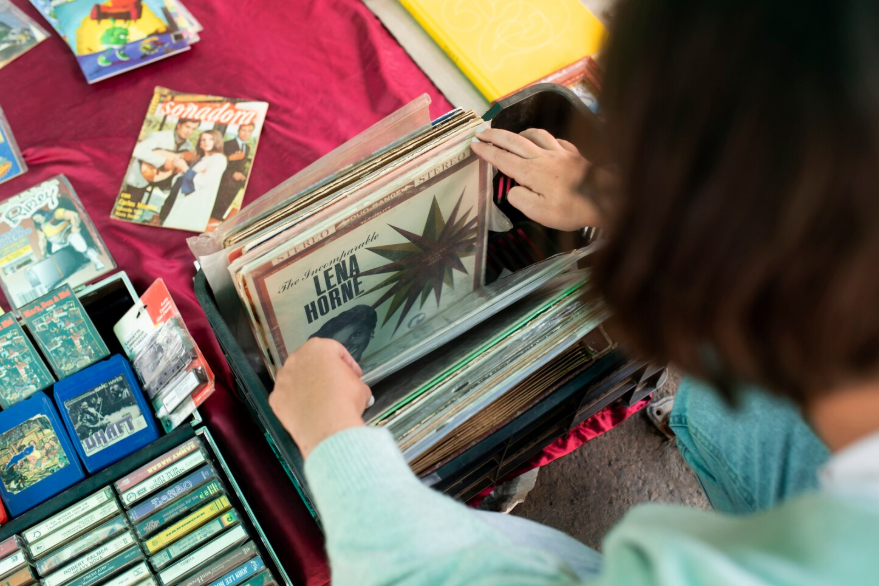
Collecting is not only about owning objects. It often involves identity, memory, curiosity, achievement, nostalgia, and the satisfaction of creating order and meaning from the world around us.
Humans have collected things for thousands of years. In ancient times, it was animal skulls, hides, and rocks. In modern times, people have collected everything from stamps and coins to books, vinyl records, sports memorabilia, antiques, trading cards, and digital collectibles; the desire to gather and organize meaningful objects appears across cultures and generations.
While collecting may seem like a simple hobby on the surface, psychology helps explain why people collect things through deeper emotional and cognitive motivations.
Collecting Creates a Sense of Identity
Many collections reflect personal identity. The objects people choose often communicate interests, values, memories, or passions that feel meaningful to them.
Someone who collects vintage cameras may value photography and history. A vinyl collector may feel connected to music culture and nostalgia. Book collections often reflect curiosity, learning, or emotional attachment to certain ideas and stories.
Collections can become personal expressions of who people are and what they care about. Over time, the collection itself may begin telling a story about the collector’s experiences and personality.
This emotional connection helps explain why collections often feel meaningful even when the objects themselves have little practical value.
See How Personality Influences the Hobbies We Choose for insights on hobby patterns.
The Brain Enjoys Completion and Organization
Psychologists believe that collecting also activates reward systems associated with completion and organization. Humans naturally seek patterns and structure, and collections provide both.
Finding missing pieces, organizing items, and gradually building a complete set creates a sense of progress and accomplishment. Each addition delivers a small psychological reward because the brain enjoys visible advancement toward a goal.
This is one reason collecting can feel satisfying even when the items are relatively inexpensive or ordinary. The enjoyment often comes from the process itself rather than the monetary value of the objects.
Collections create order, and order can feel emotionally comforting in an unpredictable world.
Read Mental Models That Make Complex Decisions Easier for clearer thinking patterns.
Nostalgia Plays a Powerful Role
Many collections are closely tied to nostalgia. Objects connected to childhood, past experiences, or important life periods often carry strong emotional weight.
Sports cards, toys, comic books, video games, vinyl records, and souvenirs frequently remind people of earlier versions of themselves or meaningful memories from specific times in life.
Nostalgia itself can provide emotional comfort by reconnecting people to their identity, familiarity, and emotionally significant experiences. Collections often become physical anchors to those memories.
This emotional connection explains why collectors sometimes value sentimental items far more than market prices would suggest.
Collecting Encourages Curiosity and Learning
Many collectors become highly knowledgeable about their interests over time. Collecting naturally encourages research, observation, and deeper exploration.
A person collecting watches may begin learning about engineering and design history. Someone collecting historical objects might study culture, art, or economics. Music collectors often develop broad knowledge about artists, genres, and production techniques.
In this way, collecting can function as much as an educational hobby as a recreational one.
Curiosity grows because collecting creates ongoing reasons to search, compare, organize, and learn. The hobby becomes a form of active engagement rather than passive consumption.
Explore How to Build a Personal Inspiration Library for organizing meaningful ideas.
The Search Is Part of the Reward
Interestingly, collectors often enjoy the search almost as much as the objects themselves. Hunting for rare finds, discovering overlooked items, or finding unexpected additions creates anticipation and excitement.
This process activates reward systems tied to novelty and discovery. The unpredictability of finding something valuable or meaningful keeps the hobby emotionally engaging.
Modern online marketplaces and communities have dramatically expanded this experience, allowing collectors to connect globally around shared interests.
At the same time, search behavior increasingly reflects how strongly people value curated systems that simplify overwhelming choices and help narrow focus. Collections provide structure within that search process, giving people clear goals and categories to pursue.
Collecting Creates Community
Many hobbies become more meaningful through social interaction, and collecting is no exception. Collectors often enjoy sharing knowledge, trading items, discussing discoveries, and connecting with others who share their enthusiasm.
Communities form around nearly every type of collection imaginable, from classic cars and comic books to fountain pens and rare plants.
Shared interests create conversation and belonging. For many people, the relationships connected to collecting become just as rewarding as the collections themselves.
The hobby creates both personal meaning and social connection simultaneously.
Check The Benefits of Having More Than One Hobby for broader hobby connections.
Collecting Reflects Human Nature
At its core, collecting reflects several deeply human instincts: curiosity, memory, organization, exploration, identity, and the desire to preserve meaning.
While some people collect casually and others more intensely, the underlying motivations are surprisingly universal. People enjoy gathering objects that tell stories, represent passions, or create emotional connection.
Collecting also reminds people that enjoyment need not be purely practical. Sometimes the value of a hobby comes from the experiences, memories, and sense of engagement it creates over time.
In a fast-moving digital world, collections often provide something increasingly rare: a tangible connection to curiosity, meaning, and personal history.