
The best fun projects for life skills do more than pass the time. They teach problem-solving, patience, organization, communication, adaptability, and confidence in ways that often feel more rewarding than traditional instruction.
Many people learn life skills through necessity, school, or work responsibilities, but some of the most effective learning happens through hands-on projects. Projects create active engagement because people learn by doing rather than simply consuming information. They also make learning more enjoyable by connecting practical skills to creativity, curiosity, and visible progress.
Starting a Small Garden
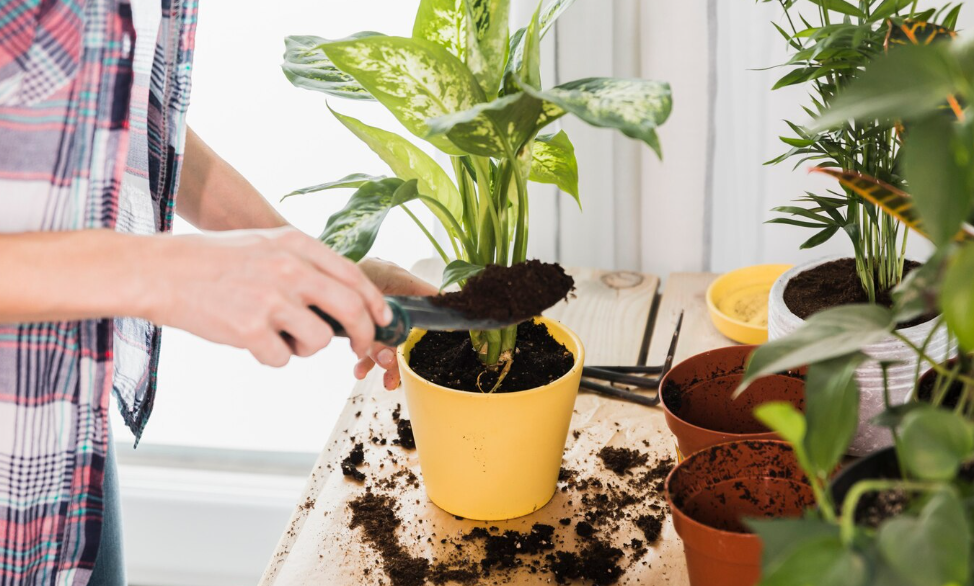
Gardening teaches far more than people initially expect. Even a small herb garden or a few container plants can introduce valuable lessons about patience, consistency, observation, and responsibility.
Plants require regular attention, but they also teach flexibility because weather, soil conditions, and timing do not always cooperate perfectly. Learning through trial and error becomes part of the process.
Gardening also strengthens awareness of food, seasons, and natural systems. Many people find the hobby calming because it combines physical activity with slow, visible progress.
Perhaps most importantly, gardening encourages long-term thinking. Results do not appear instantly, which helps reinforce patience and consistency over immediate gratification.
See Affordable Hobbies You Can Start This Weekend for beginner-friendly activity ideas.
Cooking a New Meal From Scratch
Cooking is one of the most practical life skills people can develop, and turning it into a project makes learning more engaging.
Trying a completely new recipe teaches planning, time management, multitasking, creativity, and adaptability. People learn how to follow instructions while also adjusting when things do not go exactly as expected.
Cooking projects can remain inexpensive and beginner-friendly. Someone might challenge themselves to cook meals from a different culture, bake bread for the first time, or prepare a week of homemade lunches.
The process builds confidence because the results are tangible and useful in everyday life.
Building a Personal Budget System
Financial organization may not sound exciting at first, but turning budgeting into a project can make it feel more manageable and empowering.
Creating a simple personal budget teaches planning, prioritization, goal-setting, and long-term decision-making. Many people feel less stressed once they understand where their money is going and how small adjustments affect larger goals.
The project does not need to be overly complicated. Even organizing monthly expenses, tracking subscriptions, or setting savings targets can significantly improve financial awareness.
Projects involving personal organization often build confidence by replacing uncertainty with clarity.
Read Mental Models That Make Complex Decisions Easier for clearer financial thinking.
Creating a Photo or Video Project
Photography and video projects teach observation, storytelling, technical skills, and creativity all at once.
Someone might create a “30-day photo challenge,” document local landmarks, record family stories, or produce short travel-style videos about nearby ordinary places. These projects encourage people to pay closer attention to details they normally overlook.
Creative projects also strengthen persistence because improvement happens gradually through experimentation and repetition.
Modern smartphones and free editing tools make these skills more accessible than ever. People can begin learning visual storytelling without expensive equipment or formal training.
Learning Basic Home Repairs
Simple home projects can teach highly practical skills while building independence and problem-solving ability.
Learning how to patch a wall, paint a room, assemble furniture, unclog drains, or perform minor repairs helps people become more comfortable handling everyday challenges.
These projects also reduce fear around unfamiliar tasks. Many adults avoid repairs because they assume they cannot learn. In reality, confidence often grows quickly through small hands-on successes.
Practical skills become especially rewarding because they combine learning with immediate real-world usefulness.
Explore Skills That Pay Off in Unexpected Ways for practical everyday abilities.
Organizing a Community or Group Activity
Projects involving other people teach communication, leadership, and coordination in ways solitary activities cannot.
Planning a neighborhood cleanup, organizing a small event, starting a book club, or coordinating volunteer efforts requires problem-solving, scheduling, teamwork, and adaptability.
Social projects also help people build confidence interacting with others while learning how to manage responsibilities collaboratively.
Many hidden strengths emerge during group activities because people discover abilities they rarely use during everyday routines.
Projects Help Break Passive Routines
One reason projects are so valuable is that they shift people from passive consumption into active participation. Modern life often revolves around screens, repetitive schedules, and constant information intake.
Search behavior increasingly shows that many people are looking for simplified experiences and reduced mental clutter because overstimulation becomes exhausting over time. Hands-on fun projects counterbalance this by creating focus, engagement, and visible progress.
Projects also make life feel more memorable because active experiences create stronger mental and emotional involvement than passive routines.
Check The Benefits of Having More Than One Hobby for a broader growth angle.
Small Projects Create Lasting Growth
Fun projects for life skills do not need to be large or impressive to matter. Small, manageable activities often teach valuable lessons more effectively than highly ambitious goals that become overwhelming.
The important factor is participation. Every project teaches something, whether it is patience, creativity, adaptability, organization, communication, or confidence.
Life skills are rarely built through theory alone. They grow through experimentation, mistakes, adjustments, and gradual improvement. Often, the most rewarding projects are the ones that quietly expand what people believe they are capable of doing.