
The best stress-reducing hobbies are not necessarily the most productive or impressive ones. They are the activities that help quiet mental clutter and restore a sense of calm and engagement.
Modern life places constant pressure on attention. Notifications, crowded schedules, endless information, and daily responsibilities can gradually create mental overload. Many people spend much of the day reacting to demands, with too few opportunities for recovery or reflection. Over time, this constant stimulation can increase stress, reduce focus, and make even simple tasks feel mentally exhausting.
Hobbies can help counterbalance this pressure by creating space for relaxation, creativity, and emotional reset.
Walking and Hiking
Walking remains one of the simplest and most effective stress-reducing hobbies available. It combines movement, mental recovery, and environmental change in ways that support both physical and emotional well-being.
Nature walks and hiking are especially calming because natural environments reduce sensory overload compared to crowded digital and urban settings. Spending time outdoors encourages slower attention and helps interrupt repetitive thought patterns.
Walking also creates mental space for reflection. Many people notice that they think more clearly or feel emotionally lighter after even short periods of outdoor movement.
Because walking is flexible and inexpensive, it works well for a wide range of lifestyles and energy levels.
See Why Walking Is One of the Best Creativity Tools Available for movement-based benefit.
Reading for Relaxation
Reading offers a powerful break from constant digital stimulation. Unlike scrolling through fragmented information online, reading encourages sustained attention and mental immersion.
Fiction can reduce stress by temporarily transporting readers into different worlds and perspectives. Nonfiction can provide calm curiosity and focused learning without the rapid pace of modern media.
Reading also slows mental rhythm. Many people find that even fifteen or twenty minutes with a good book helps reduce anxiety and mental noise.
Libraries, ebooks, and used bookstores make reading one of the most accessible hobbies available.
Gardening and Plant Care
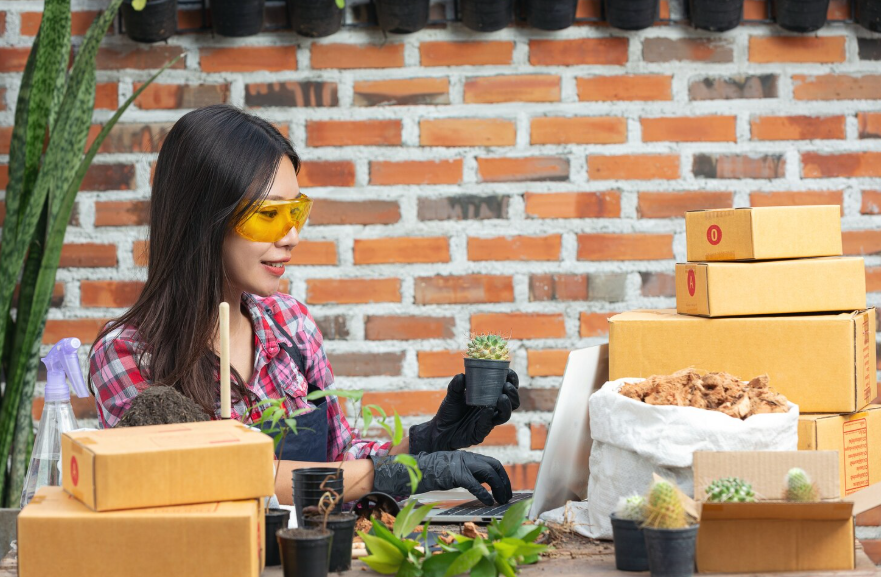
Gardening combines physical activity, patience, creativity, and connection to natural processes. Many people find gardening calming because it shifts attention away from screens and toward slower, hands-on engagement.
Even small-scale gardening can create emotional benefits. Caring for plants encourages consistency and observation while providing visible signs of growth over time.
Indoor plants can also help create calmer living environments. For some people, simple routines like watering plants or maintaining a small herb garden become grounding daily habits.
Gardening reminds people that not everything in life needs to happen instantly.
Read Fun Projects That Teach Valuable Life Skills for hands-on activity ideas.
Creative Hobbies and Flow States
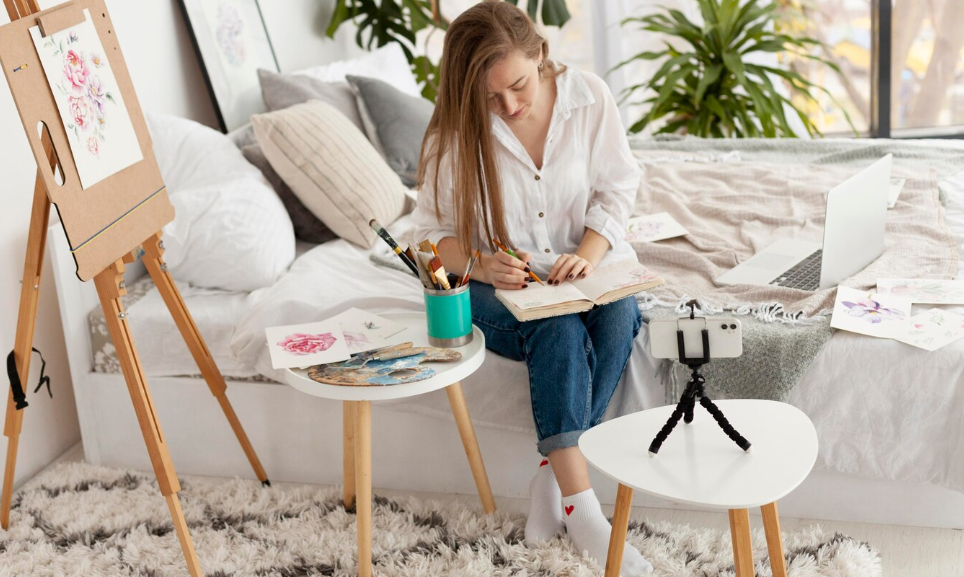
Creative hobbies such as drawing, painting, knitting, woodworking, photography, writing, or music often reduce stress by creating what psychologists call “flow states.”
Flow occurs when a person becomes fully absorbed in an activity, temporarily quieting mental distractions and outside worries. During these periods, attention naturally narrows to the task itself.
Creative hobbies are especially effective because they combine focus with personal expression. People engage both mentally and emotionally while producing something tangible.
The goal is not perfection or performance. In many cases, the calming effect comes simply from the process of creating.
Explore How Constraints Can Actually Improve Creativity for added insight on creativity.
Cooking and Baking
Cooking can also become highly restorative when approached as a hobby rather than another obligation. Preparing meals from scratch encourages sensory engagement through smell, texture, taste, and movement.
Baking in particular often feels calming because it follows structured steps that create predictability and focus. Repetitive kitchen tasks can become meditative, reducing mental clutter.
Cooking also provides immediate rewards. The process results in something practical, enjoyable, and often shareable with others.
Many people find comfort in hobbies that combine creativity with routine and physical action.
Journaling and Quiet Reflection
Journaling is one of the simplest ways to reduce mental overload because it externalizes thoughts rather than keeping everything active in your mind at once.
Writing down worries, observations, goals, or reflections can create emotional clarity and reduce the feeling of mental congestion. Journaling also encourages slower thinking in contrast to the rapid pace of digital communication.
Some people use structured prompts while others write freely. Either approach can help organize thoughts and create a sense of mental release.
Quiet reflection becomes increasingly valuable in environments dominated by constant stimulation and distraction.
Check How to Capture Great Ideas Before You Forget Them for useful note-taking habits.
Hobbies Help Reduce Cognitive Overload
Search behavior increasingly reflects a desire for simplicity, reduced friction, and calmer experiences because many people feel mentally overwhelmed by constant choices and information.
Stress-reducing hobbies help counterbalance this overload by narrowing attention onto one meaningful activity at a time. Instead of reacting continuously to incoming demands, people become actively engaged in something calming, creative, or restorative.
This shift matters because mental recovery requires more than passive entertainment. Often, the most effective hobbies involve focused participation rather than endless consumption.
Calm Comes From Engagement, Not Escape
The best hobbies for reducing stress are usually the ones that create presence. They draw attention to the present moment rather than allowing the mind to remain trapped in worry, distraction, or mental clutter.
Calming hobbies do not need to be complicated or expensive. Small, consistent activities often provide the strongest long-term benefits because they create regular opportunities for recovery and balance.
In a world filled with noise and overstimulation, hobbies that encourage focus, creativity, and quiet engagement may be more valuable than ever.