
Micro-learning works because it reduces resistance. When a task feels small and manageable, people are far more likely to begin and remain consistent. Over time, those small sessions gradually build familiarity, confidence, and momentum.
Many people want skills they can practice daily, but assume that meaningful progress requires a large amount of free time. In reality, small, consistent practice sessions often produce stronger long-term results than occasional bursts of intense effort. Five minutes may not sound significant, but repeated daily practice compounds surprisingly quickly over weeks and months.
Learning a New Language
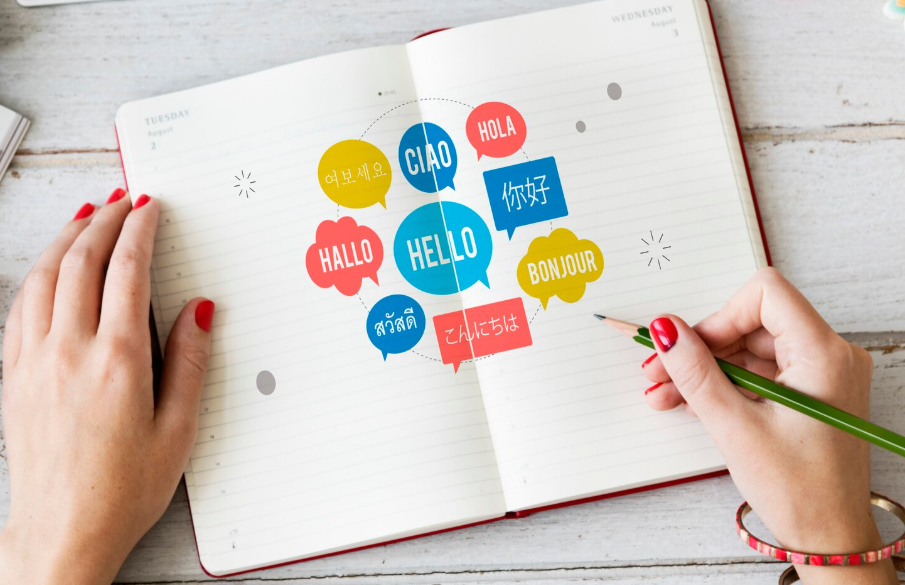
Language learning is one of the best examples of a skill that benefits from short daily repetition. Spending just five minutes reviewing vocabulary, practicing pronunciation, or reading short phrases can steadily improve memory and comprehension over time.
Consistency matters more than intensity during early learning stages. Daily exposure helps the brain gradually become familiar with patterns and sounds, rather than forcing large amounts of information all at once.
Apps, flashcards, podcasts, and short videos make language practice highly accessible. Even learning a few words daily can create noticeable progress after several months.
Small learning sessions also feel less intimidating, making it easier to maintain motivation long term.
See How to Learn Faster Without Spending More Time Studying for stronger practice habits.
Drawing and Sketching
Many people believe drawing requires natural talent, but basic artistic skills improve dramatically through repetition and observation.
Five-minute sketch sessions help train attention to shapes, proportions, shadows, and visual detail. Quick exercises such as drawing everyday objects or practicing simple shapes gradually strengthen hand control and visual awareness.
Short creative sessions also remove pressure. People often avoid creative hobbies because they imagine every practice session must produce something impressive. Small sketches encourage experimentation instead of perfectionism.
Over time, repeated practice builds both technical skill and creative confidence.
Improving Observation Skills
Observation itself is a skill that can be strengthened intentionally. Spending five minutes carefully studying environments, people, architecture, or nature can sharpen attention and curiosity.
Some people practice observation through photography, journaling, or descriptive writing. Others challenge themselves to notice details they normally overlook.
This skill pays off in many areas of life because stronger observation improves creativity, communication, memory, and awareness.
Modern routines often encourage autopilot thinking, where familiar environments fade into the background. Short observation exercises help interrupt that automatic filtering process.
Read The Power of Beginner’s Mind in Everyday Life for a related perspective.
Practicing Public Speaking
Public speaking confidence grows through repetition, even in very small doses. Someone can practice speaking for five minutes by explaining an idea aloud, recording short videos, or summarizing topics without notes.
This kind of practice improves clarity, pacing, and comfort expressing thoughts verbally. It also reduces anxiety through familiarity.
Communication skills influence careers, relationships, and confidence far beyond formal presentations. Small speaking exercises can gradually create large long-term improvements.
Many people become better communicators simply by consistently practicing organized thinking out loud.
Strengthening Memory
Memory techniques are another skill that benefits from short daily training. Memorizing names, lists, quotes, or small pieces of information strengthens recall ability over time.
Methods such as visualization, association, and active recall can dramatically improve retention while also exercising attention and concentration.
Five-minute memory games or mental exercises may seem small, but they train cognitive habits that influence learning in broader ways.
The brain responds strongly to consistent mental engagement, especially when learning feels active rather than passive.
Explore Skills That Pay Off in Unexpected Ways for long-term benefits.
Writing and Idea Generation
Writing for five minutes daily can surprisingly quickly strengthen creativity, clarity, and self-expression.
People can journal, brainstorm ideas, write short stories, describe observations, or respond to creative prompts. The goal is consistency rather than producing polished work.
Short writing sessions help reduce perfectionism because the time limit encourages flow instead of overthinking. Many strong creative habits begin with small daily exercises that gradually expand over time.
Writing also helps organize thoughts and preserve ideas that might otherwise disappear quickly.
Tiny Habits Reduce Mental Resistance
One reason five-minute skills work so well is because they bypass the mental resistance associated with large commitments. A small task feels approachable even on busy or low-energy days.
Search behavior increasingly shows that many people prefer simplified systems and manageable routines because modern life already creates significant mental overload. Tiny habits succeed because they feel achievable instead of overwhelming.
Once people begin, they often continue longer than expected anyway. Starting is usually the hardest part.
Check Small Daily Habits That Can Make Life Feel More Interesting for manageable routine ideas.
Small Efforts Compound Over Time
Five minutes may not feel transformative in a single day, but repeated consistently, small efforts compound into meaningful progress.
Skills are rarely built through isolated bursts of motivation alone. More often, they develop gradually through repetition, curiosity, and manageable daily engagement.
The important lesson is that growth does not always require dramatic life changes or huge amounts of free time. Sometimes a few intentional minutes each day are enough to create noticeable improvement over time.
Skills you can practice daily become powerful because consistency quietly multiplies their effect.