
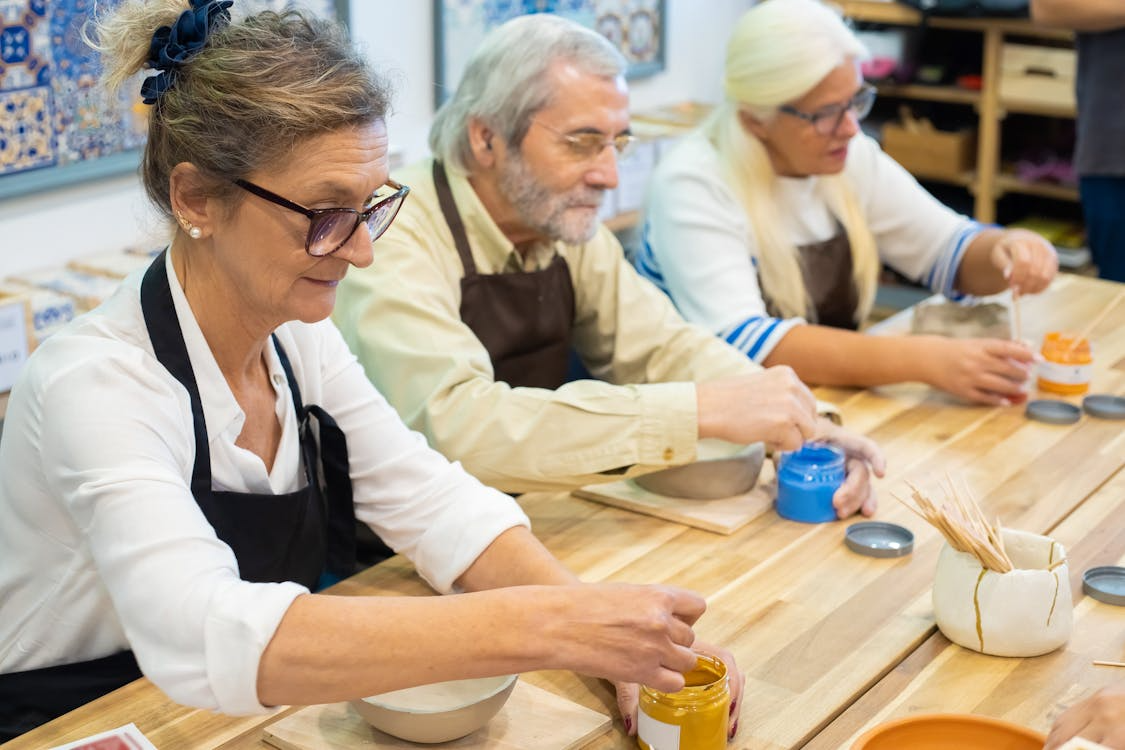
Curiosity and openness can be rebuilt with intentional habits and mindset changes.
As people get older, many notice that trying new things as an adult feels more difficult than it once did. Childhood and early adulthood are often filled with experimentation, new friendships, changing interests, and unfamiliar experiences. Over time, however, routines tend to solidify. People settle into predictable habits, familiar environments, and comfortable patterns that feel increasingly difficult to disrupt.
This shift is not simply laziness or lack of ambition. Psychology, biology, lifestyle pressures, and modern routines all contribute to the fact that novelty becomes harder with age.
Why the Brain Prefers Familiarity
The human brain is designed to conserve energy. Familiar routines require less mental effort because the brain can process them automatically. New experiences, on the other hand, require attention, uncertainty management, and adaptation.
As people age, responsibilities often increase as well. Careers, finances, relationships, and daily obligations create pressure to prioritize efficiency and predictability. Routines become useful survival tools because they reduce decision-making and mental fatigue.
Over time, however, excessive routine can unintentionally shrink a person’s comfort zone. Activities that once felt exciting may begin to feel inconvenient, risky, or exhausting simply because they are unfamiliar. The brain starts associating familiarity with safety and novelty with disruption.
See Mental Models That Make Complex Decisions Easier for clearer thinking around change.
Comfort Can Quietly Become a Limitation
Comfort is not inherently negative. Stable routines help people function efficiently. Problems arise when comfort slowly turns into avoidance. Many people stop trying new activities not because they actively dislike them, but because they assume they are “too old,” “too busy,” or “not the type of person” who does those things anymore.
This mindset often develops gradually. A person skips one opportunity after another until unfamiliar experiences feel increasingly distant from their identity. The result is not only fewer adventures but also fewer moments of surprise, excitement, and personal growth.
Research on habit formation shows that people naturally repeat behaviors requiring the least resistance. That is why routines become stronger over time. The more predictable life becomes, the harder it feels to introduce change.
Read Signs You’re Stuck in a Routine and How to Break Out of It for related routine patterns.
Modern Life Encourages Repetition
Technology has also made it easier to stay inside personalized routines. Algorithms recommend familiar entertainment, opinions, products, and content based on past behavior. People can unintentionally spend years consuming slight variations of the same experiences.
Even decision fatigue plays a role. When people already feel mentally overloaded, they often choose the safest or easiest option available. Search behavior increasingly reflects this preference for simplicity and predictability over endless exploration.
As a result, novelty can start feeling mentally expensive rather than exciting. People often do not realize how narrow their routines have become until they deliberately interrupt them.
Small Risks Rebuild Curiosity
One of the best ways to reverse routine-seeking behavior is to normalize small risks again. This does not require dramatic life changes. In fact, tiny experiments are often more effective because they avoid triggering resistance.
Trying a new restaurant, reading outside your usual interests, taking a different route home, or attending a local event can help retrain the brain to tolerate uncertainty. Small moments of novelty build confidence over time.
The key is consistency rather than intensity. People who regularly introduce manageable new experiences often regain a stronger sense of curiosity and flexibility. The brain begins to remember that unfamiliar situations can feel rewarding rather than stressful.
Explore Simple Challenges That Can Reignite Motivation for small ways to restart.
Beginner Mindset Matters
Another important shift involves embracing the discomfort of being a beginner. Many adults avoid new activities because they dislike feeling inexperienced. Children learn quickly partly because they expect mistakes. Adults often expect competence immediately.
Allowing yourself to be temporarily bad at something can dramatically expand life experiences. Whether learning an instrument, trying photography, joining a class, or exploring a new hobby, progress usually begins with awkwardness.
People who maintain curiosity later in life often share one trait: they remain willing to look inexperienced while learning something new. They value growth more than protecting their image.
Check The Power of Beginner’s Mind in Everyday Life for a growth mindset.
Novelty Helps Life Feel Longer
Interestingly, new experiences can even influence how people perceive time. Psychologists have noted that repetitive routines make periods of life feel shorter in hindsight because fewer distinct memories are formed. Novel experiences create stronger memory markers, making life feel fuller and more vivid.
This is one reason travel, learning, and experimentation often leave lasting impressions. The brain records change more intensely than repetition.
Trying new things as an adult does not need to become a constant pursuit of excitement. The goal is to remain open to discovery. Curiosity is less about age and more about willingness. Small changes in habits, attention, and mindset can gradually reopen parts of life that routine may have quietly closed off.